The dynamic world of Highly recommended Online site retail continues to evolve at a rapid pace. At the core of this thriving industry lies a crucial process. This process is known as order fulfillment. For any business selling products online, comprehending the intricacies of fulfillment is paramount. It is the connection between a digital transaction and a happy customer receiving a physical product.
So, what exactly is e-commerce fulfillment? In simple terms, it encompasses all the steps involved once a customer places an order on your website. This complex process begins the moment the sale confirmation hits your system. It generally includes stock management, order handling, picking and packing, and lastly, shipping the order. It ends with processing returns if necessary. This is the behind-the-scenes engine that fuels customer satisfaction and company reputation.
Businesses today have multiple fulfillment choices to choose from. The first and most traditional model is DIY fulfillment. This is where the business owner handles every step directly from a spare room. This approach offers total control over the full customer experience. However, it can become overwhelming as order volume scales. It needs significant hours, warehouse space, and labor.
A widely-used option is using a 3PL. This entails partnering with a specialized fulfillment company. These providers manage large, geographically dispersed warehouses. They house your stock for you. When an order is placed, the 3PL provider takes care of the picking, boxing, and dispatching. This frees up the merchant to devote time to brand building and product development.
Another increasing model is drop shipping. This is a different arrangement where the store never handles any actual stock. Instead, when a customer buys a product, the sale details is forwarded directly to a manufacturer. That supplier then ships the product straight to the customer. The primary advantage is reduced capital risk. The downside is less control over fulfillment speed and stock availability.
Choosing the right fulfillment approach is a significant business decision. Several important factors must be carefully assessed. The nature of your products is a first consideration. Small, light items are generally cheaper and more straightforward to ship. Large or heavy items require careful handling and costly freight. Your order volume is a further essential element. A rapid surge in orders can cripple an in-house operation.
Furthermore, your audience and their expectations matter greatly. Today's consumers often demand fast and sometimes free shipping. Meeting these standards often requires geographically smart warehouse locations. This enables for shorter transit times. The geographic distribution of your customer base is thus incredibly important. Storing inventory nearer to your biggest customer areas can significantly cut shipping costs and delivery times.
Regardless of the model chosen, streamlined fulfillment has a direct impact on the bottom line of an e-commerce business. It affects shipping costs in a major way. Inefficient processes lead to elevated labor costs, unnecessary packaging expenses, and poor shipping rates. Perhaps even more significantly, fulfillment is a core component of the customer experience. A speedy and precise delivery builds confidence. Conversely, a late delivery, wrong item, or poorly packaged product can quickly undo goodwill and cause bad feedback.
In summary, e-commerce fulfillment is much more than just sending out packages. It is a sophisticated and vital logistical operation. A optimized fulfillment process acts as a strong competitive advantage. It positively influences customer happiness, brand image, and the bottom line. For any serious online retailer, investing time into understanding this crucial process is not just an option. It is an absolute necessity for sustainable growth in the competitive digital marketplace.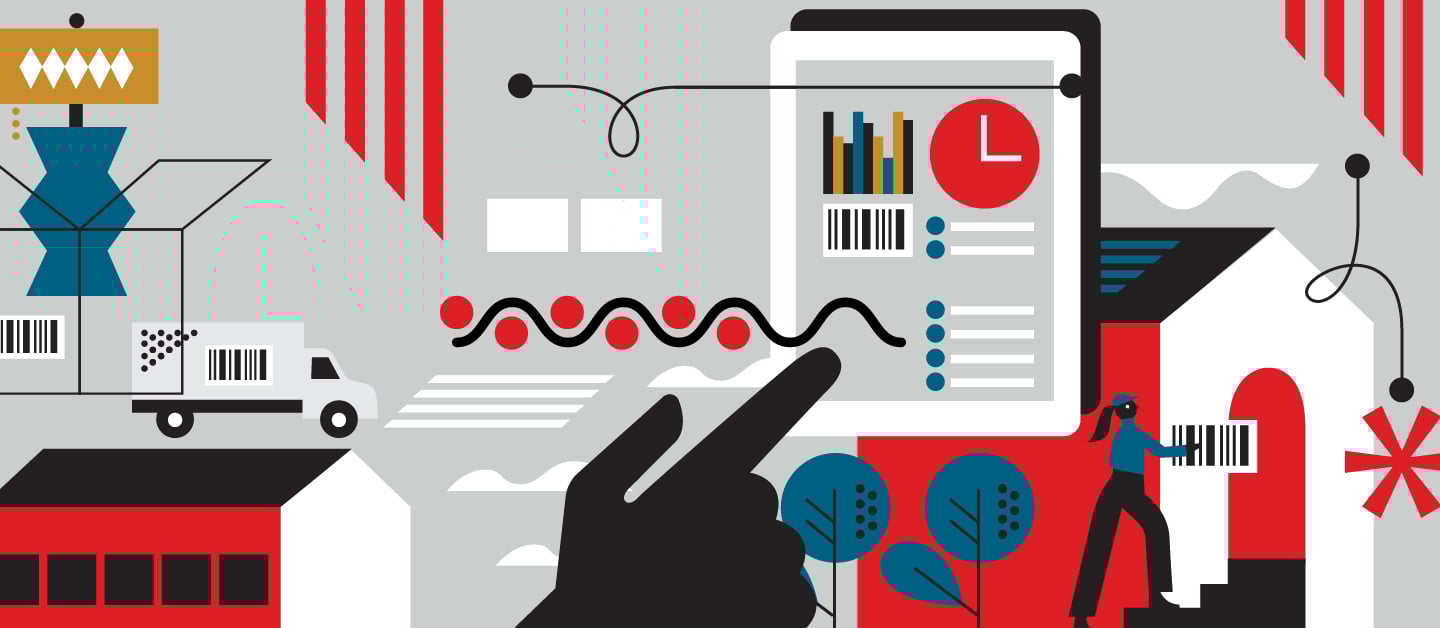
So, what exactly is e-commerce fulfillment? In simple terms, it encompasses all the steps involved once a customer places an order on your website. This complex process begins the moment the sale confirmation hits your system. It generally includes stock management, order handling, picking and packing, and lastly, shipping the order. It ends with processing returns if necessary. This is the behind-the-scenes engine that fuels customer satisfaction and company reputation.
Businesses today have multiple fulfillment choices to choose from. The first and most traditional model is DIY fulfillment. This is where the business owner handles every step directly from a spare room. This approach offers total control over the full customer experience. However, it can become overwhelming as order volume scales. It needs significant hours, warehouse space, and labor.
A widely-used option is using a 3PL. This entails partnering with a specialized fulfillment company. These providers manage large, geographically dispersed warehouses. They house your stock for you. When an order is placed, the 3PL provider takes care of the picking, boxing, and dispatching. This frees up the merchant to devote time to brand building and product development.
Another increasing model is drop shipping. This is a different arrangement where the store never handles any actual stock. Instead, when a customer buys a product, the sale details is forwarded directly to a manufacturer. That supplier then ships the product straight to the customer. The primary advantage is reduced capital risk. The downside is less control over fulfillment speed and stock availability.
Choosing the right fulfillment approach is a significant business decision. Several important factors must be carefully assessed. The nature of your products is a first consideration. Small, light items are generally cheaper and more straightforward to ship. Large or heavy items require careful handling and costly freight. Your order volume is a further essential element. A rapid surge in orders can cripple an in-house operation.
Furthermore, your audience and their expectations matter greatly. Today's consumers often demand fast and sometimes free shipping. Meeting these standards often requires geographically smart warehouse locations. This enables for shorter transit times. The geographic distribution of your customer base is thus incredibly important. Storing inventory nearer to your biggest customer areas can significantly cut shipping costs and delivery times.
Regardless of the model chosen, streamlined fulfillment has a direct impact on the bottom line of an e-commerce business. It affects shipping costs in a major way. Inefficient processes lead to elevated labor costs, unnecessary packaging expenses, and poor shipping rates. Perhaps even more significantly, fulfillment is a core component of the customer experience. A speedy and precise delivery builds confidence. Conversely, a late delivery, wrong item, or poorly packaged product can quickly undo goodwill and cause bad feedback.
In summary, e-commerce fulfillment is much more than just sending out packages. It is a sophisticated and vital logistical operation. A optimized fulfillment process acts as a strong competitive advantage. It positively influences customer happiness, brand image, and the bottom line. For any serious online retailer, investing time into understanding this crucial process is not just an option. It is an absolute necessity for sustainable growth in the competitive digital marketplace.