Having faction leaders like Devrim is a step forward for Destiny’s open areas. He’s a strong personality, and it is good to listen to other characters that aren’t Nolan North’s-voiced Ghost. The inclusion of NPCs, however, still don’t provide players with everything they need, as you’ll still need to travel back to social spaces to decrypt engrams and access your vault. A more seamless experience that incorporated social spaces into the open area would have been much preferred.
Upon release, one of the main criticisms hounding Destiny 2 was its conversion of shaders from permanent unlocks to single-use consumable items . In response, many were quick to point out that shaders in general were easy to come by and that players wouldn’t actually be hurting for them all that much. In general, this is true. Shaders as an item are indeed relatively easy to come by. However, most of the best shaders are only gained through opening "Bright Engrams", items which are loot boxes in all but name. They’re obtainable through in-game means but only at a snail’s pace unless one decides to fork over some real cash. Players also have absolutely zero control over what they get out of them. So while those cool shaders are technically obtainable, there’s no guarantee that a player will ever get the one they want, much less more of it. So instead of encouraging players to enjoy Destiny 2’s new system that allows every piece of gear to be individually customized, the game instead pushes players to do the opposite and hoard what shaders they do get until they manage to obtain a piece of endgame gear that won’t be immediately scrapped. Armor and weapon mods suffer from a similar drawback too, though they can at least be bought with in-game currency. This problem isn’t just limited to consumables either. Thanks to Destiny 2’s deplorable token system, there’s been wholesale reduction of player control over the gear they earn. The system is probably meant to promote grind, but instead it does the opposite. Why should the game’s players bother with the grind loop if they can’t grind for the things they actually want?
For example, in the EDZ, one Adventure features the Taken taking up residence deep in the forest. At first, Void Hunter Melee Rework the mission is simply about pushing forward and clearing away all hostiles. Following some speculation by Ghost about why the Taken are here, players face off against a Taken Cabal boss who remains shielded as long as grunts are running about. Take care of them, and the boss becomes vulnerable until more grunts spawn.
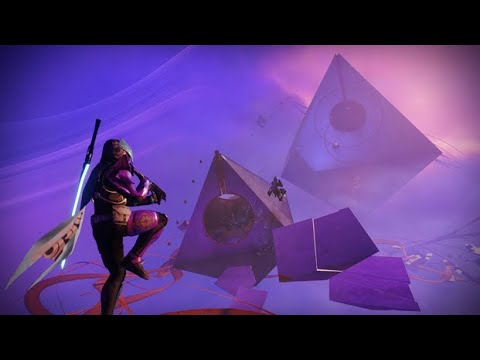 Over the course of its lifespan, most players agreed that Destiny’s most persistent problem was a general lack of content. There just wasn’t enough to do between DLC expansions. The thing is, those expansions never actually helped all that much. It would only take a week or two for the hardcore crowd to start complaining about a lack of content again. Some would blame those players for spending too much time with the game and burning through that content too quickly, but it’s only natural that players would quickly burn through expansions when they often didn’t include many new features. I was cautiously optimistic that Destiny 2 would address the real issue at the heart of its forebear’s content woes, but this sadly hasn’t been the case. It’s added a few minor features in the form of the new director, a map, small activities in its explorable spaces, milestones and flashpoints, but that that’s it. Oh wait, scratch that. Milestones and flashpoints are just re-branded bounties, so they’re actually not new at all. So not only does it offer less content than Destiny’s final form, but it still hasn’t addressed the first game’s core problem.
[JH]: We have lots of contextualized moments in target locations where there are moments that, when you go back and play with your returning character, you get a series of lines that will acknowledge the experiences you’ve had. When we tackle the story, one of the challenges we had was about how serialized we wanted to be. We want to bring new fans into this franchise, but in doing so we need to make it accessible. So, the experience of a new player in this sequence is to introduce the Taken as if you’d never heard of them before. We wanted to make sure a new player got who they were without being bogged down with too much lore. For a returning player, however, you’re going to see it’s pretty different.
[JH]: There’s two key things going on with Ghaul. One is giving him a goal and objective that he desperately wants that we as players can relate to. What do you care about? It’s your light, your progress, your powers. You care about that which the Traveler has given you. Ghaul wants that, and it’s the thing that you’re both going to fight for. The second is, when you start digging into the story, you see that he has a drive and obsession with being worthy. He doesn’t want to just take it, he wants to earn it.