The dynamic world of digital commerce continues to expand at a breakneck pace. At the center of this successful industry lies a critical process. This process is known as order fulfillment. For any business offering goods online, comprehending the intricacies of fulfillment is absolutely vital. It is the bridge between a digital transaction and a satisfied customer receiving a physical product.
So, what exactly is e-commerce fulfillment? In straightforward terms, it includes all the steps involved after a customer places an order on your website. This multifaceted process begins the moment the purchase confirmation hits your system. It generally includes Warehouse fulfillment management, order management, selecting and packaging, and ultimately, shipping the order. It finishes with managing returns if necessary. This is the behind-the-scenes engine that drives customer satisfaction and business reputation.
Businesses today have several fulfillment choices to select from. The first and most classic model is in-house fulfillment. This is where the business owner manages every step themselves from a spare room. This approach offers complete control over the entire customer experience. However, it can become burdensome as business scales. It demands significant hours, physical space, and labor.
A common option is outsourcing fulfillment. This means partnering with a expert fulfillment company. These providers manage large, geographically dispersed warehouses. They house your stock for you. When an order is placed, the fulfillment partner handles the retrieving, packaging, and dispatching. This releases the merchant to devote time to brand building and customer service.
Another growing model is drop shipping. This is a different arrangement where the retailer does not hold any products themselves. Instead, when a customer buys a product, the customer data is transmitted automatically to a wholesaler. That supplier then ships the product directly to the customer. The primary benefit is reduced capital risk. The drawback is reduced control over delivery speed and inventory levels.
Picking the correct fulfillment approach is a major operational choice. Several key factors must be carefully considered. The size and weight of your products is a primary consideration. Small, light items are usually less expensive and more straightforward to ship. Large or bulky items need particular handling and costly freight. Your business volume is a further essential element. A sudden surge in orders can cripple an in-house operation.
Furthermore, your target market and their shipping expectations are a big factor. Today's consumers often demand speedy and often free shipping. Meeting these demands often requires smart warehouse locations. This lets for faster transit times. The physical distribution of your customer base is therefore very important. Storing inventory closer to your largest customer hubs can significantly reduce shipping costs and ship times.
Regardless of the strategy chosen, streamlined fulfillment has a direct influence on the profitability of an e-commerce business. It affects overhead in a significant way. Inefficient systems lead to increased labor costs, unnecessary packaging expenses, and poor shipping rates. Perhaps even more importantly, fulfillment is a fundamental component of the shopper's experience. A fast and accurate delivery creates confidence. Conversely, a delayed delivery, wrong item, or poorly packaged product can rapidly destroy goodwill and result in bad feedback.
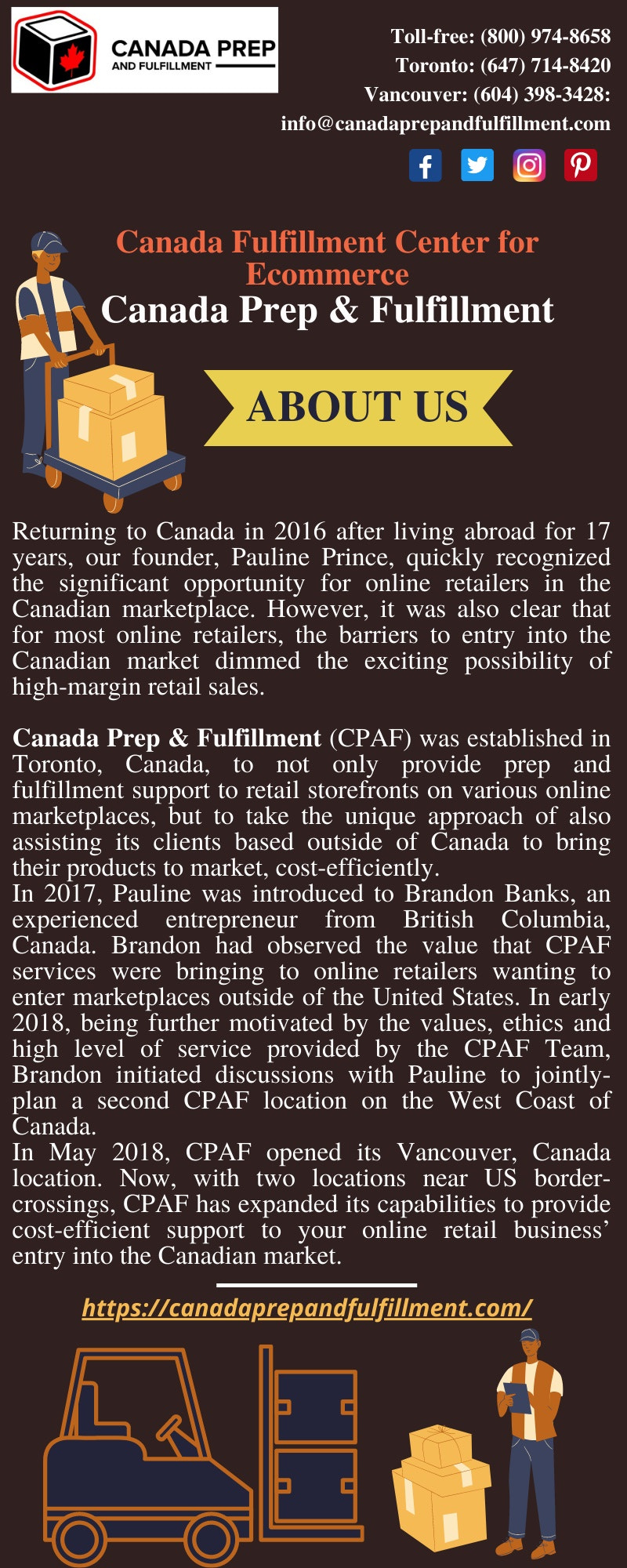 In conclusion, e-commerce fulfillment is a lot more than simply shipping packages. It is a sophisticated and critical logistical operation. A well-executed fulfillment process serves as a strong competitive advantage. It directly influences customer retention, brand reputation, and the bottom line. For any ambitious online retailer, investing time into understanding this essential process is not optional. It is an absolute necessity for sustainable growth in the busy digital marketplace.
So, what exactly is e-commerce fulfillment? In straightforward terms, it includes all the steps involved after a customer places an order on your website. This multifaceted process begins the moment the purchase confirmation hits your system. It generally includes Warehouse fulfillment management, order management, selecting and packaging, and ultimately, shipping the order. It finishes with managing returns if necessary. This is the behind-the-scenes engine that drives customer satisfaction and business reputation.
Businesses today have several fulfillment choices to select from. The first and most classic model is in-house fulfillment. This is where the business owner manages every step themselves from a spare room. This approach offers complete control over the entire customer experience. However, it can become burdensome as business scales. It demands significant hours, physical space, and labor.
A common option is outsourcing fulfillment. This means partnering with a expert fulfillment company. These providers manage large, geographically dispersed warehouses. They house your stock for you. When an order is placed, the fulfillment partner handles the retrieving, packaging, and dispatching. This releases the merchant to devote time to brand building and customer service.
Another growing model is drop shipping. This is a different arrangement where the retailer does not hold any products themselves. Instead, when a customer buys a product, the customer data is transmitted automatically to a wholesaler. That supplier then ships the product directly to the customer. The primary benefit is reduced capital risk. The drawback is reduced control over delivery speed and inventory levels.
Picking the correct fulfillment approach is a major operational choice. Several key factors must be carefully considered. The size and weight of your products is a primary consideration. Small, light items are usually less expensive and more straightforward to ship. Large or bulky items need particular handling and costly freight. Your business volume is a further essential element. A sudden surge in orders can cripple an in-house operation.
Furthermore, your target market and their shipping expectations are a big factor. Today's consumers often demand speedy and often free shipping. Meeting these demands often requires smart warehouse locations. This lets for faster transit times. The physical distribution of your customer base is therefore very important. Storing inventory closer to your largest customer hubs can significantly reduce shipping costs and ship times.
Regardless of the strategy chosen, streamlined fulfillment has a direct influence on the profitability of an e-commerce business. It affects overhead in a significant way. Inefficient systems lead to increased labor costs, unnecessary packaging expenses, and poor shipping rates. Perhaps even more importantly, fulfillment is a fundamental component of the shopper's experience. A fast and accurate delivery creates confidence. Conversely, a delayed delivery, wrong item, or poorly packaged product can rapidly destroy goodwill and result in bad feedback.
In conclusion, e-commerce fulfillment is a lot more than simply shipping packages. It is a sophisticated and critical logistical operation. A well-executed fulfillment process serves as a strong competitive advantage. It directly influences customer retention, brand reputation, and the bottom line. For any ambitious online retailer, investing time into understanding this essential process is not optional. It is an absolute necessity for sustainable growth in the busy digital marketplace.